Do you automatically get a top team, if you simply gather top performers? Experience teaches us that you don’t. Not in sports and not in business either. Individual talent is important, but High Performance only emerges when people truly know how to perform together.
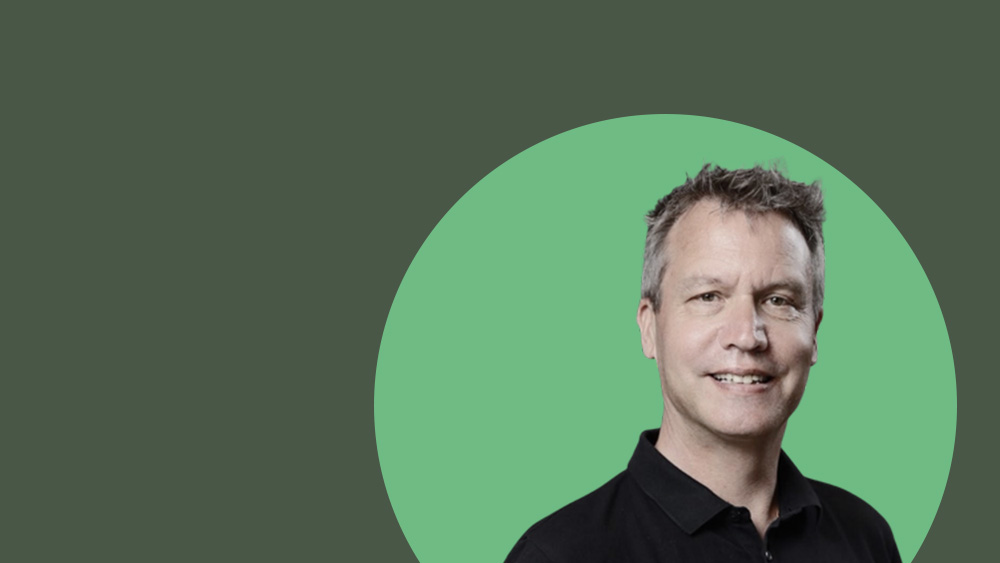
This was also true for the Digital Activations team led by Torsten Zahn, Global Senior Director at Adidas. A team full of strong professionals, yet with a collective feeling: there is even more potential here.
While the world around them changed at an ever-faster pace, Zahn’s team decided not to run faster. But rather, to slow down. Together with Allied Forces, they set out to achieve their ambition of becoming a High Performing Team; a team that stays the course in an ever-changing world.
An Ally standing alongside the team
Zahn got in touch with Allied Forces through a colleague. The name caught his attention, but its true meaning only became clear during the program. “I found the combination of different strengths that Allied Forces brings together truly unique. It’s so much more than just their military background.”
In the end, something else swung it for Zahn: Allied Forces wouldn’t just deliver a program, but would stand alongside the team over an extended period. “Really like an Ally. To me, that was exactly how it needed to be. It was what we needed.”
The real bottlenecks lay beneath the surface
On the surface, the leadership team was functioning, but Zahn saw room for improvement in their collaboration. Conversations didn’t always lead to action and not everyone claimed equal space. “We talked about certain issues, but no actions were taken afterward. It was also often the same people speaking up, while others remained silent.”
Focus therefore couldn’t just be on processes and results. Zahn wanted to explore what was less visible: interpersonal dynamics, what team members needed, and the things left unsaid.
No standard template, but an adaptive approach
According to Zahn, that need called for an approach tailored to his team’s specific situation. It was precisely what appealed to him about the High Performing Team program. The methodology and tools came from Allied Forces, but the exact execution evolved throughout the journey.
“It isn’t a one-size-fits-all. I had great confidence that the program would be adapted to our needs and context.”
There was a plan, but no set script. As new issues surfaced, the approach could be adapted. “Based on what we encountered, the program was continuously optimized. As a result, it was truly tailored to what we needed.”
Friction is what moved the team forward
That flexibility didn’t mean the journey was always comfortable. Far from it. At moments when frustration arose, patterns emerged that had previously received less attention. “There were definitely moments of frustration. For example, when we discovered that we weren’t speaking the same language. Were we actually clear with each other about what we were asking or needed?”
This became evident during meetings, which ran long and frequently ended without clear actions, deadlines, or responsibilities. Consequently, too little happened afterward. Yet those exact moments proved invaluable. “We needed those moments to become the team we are today.”
Small steps made big ambitions attainable
The program also transformed Zahn’s own way of working. A key insight was thinking from a clear Future State: where do you want to go, and what concrete steps are required to get there? “I used to set huge goals for myself and get frustrated when I didn’t reach them. Breaking them down into smaller goals and recognizing successes along the way changed that.”
Zahn also became more explicit in his leadership. He learned to articulate what he needs more clearly and to actually ask for it. “During the program, it became clear that people want to help me, as long as they know what I need.”
By now, that dynamic works both ways. When Zahn isn’t clear enough or delegates too little, the team calls him out on it. “Then they say: ‘You know you can ask us for help, right?’ We are much more on the same wavelength now.”
Knowing each other’s strengths transformed the collaboration
Interpersonal collaboration received extra attention during the offsites. The first offsite focused on the team’s mission and vision, but above all on the people behind them. Who are they, what do they need, and what drives them?
“By truly getting to know and understand each other, we built mutual trust.”
During the second offsite, the focus shifted from knowing each other to working together better. It became clear that differences between team members shouldn’t be smoothed over, but leveraged.
“We learned that everyone has different strengths and that we achieve the most when everyone can make optimal use of their unique qualities.”
Over time, Zahn saw progress. Team members learned to listen better, express their needs more clearly, and make more conscious use of each other’s strengths.
Staying on course while adjusting as you go
After nine months, much of what the team learned has become part of daily practice. Meetings are more productive, collaboration is stronger, and the team has learned to view change differently. Not as something that disrupts a carefully mapped-out plan, but as a reality you must learn to navigate.
“We learned to set a clear direction without setting it in stone. You take steps, try things out, and continuously reflect: Is this working? Is it moving us forward? And is this still where we want to go?”
Especially in a corporate environment where technology, markets, and organizations are constantly changing, that capability is essential. The team is now better equipped to navigate uncertainty: setting direction, experimenting, learning, and adjusting when reality demands it.
With one unexpected side effect, according to Zahn: “You suddenly notice how many other places in the organization could also be improved.”